Construction noise, explained straight.
What sites are allowed to do, what they're not, and what actually makes a difference. Plain English, UK rules, real measured figures.
What's allowed, and how to complain so something happens
- Permitted hours and the limits sites work to
- Evidence your council will actually act on
- Who to contact, in the right order
What works, and the limits you must work within
- Section 60, Section 61 and BS 5228 in plain English
- Barriers, shrouds and enclosures: real dB results
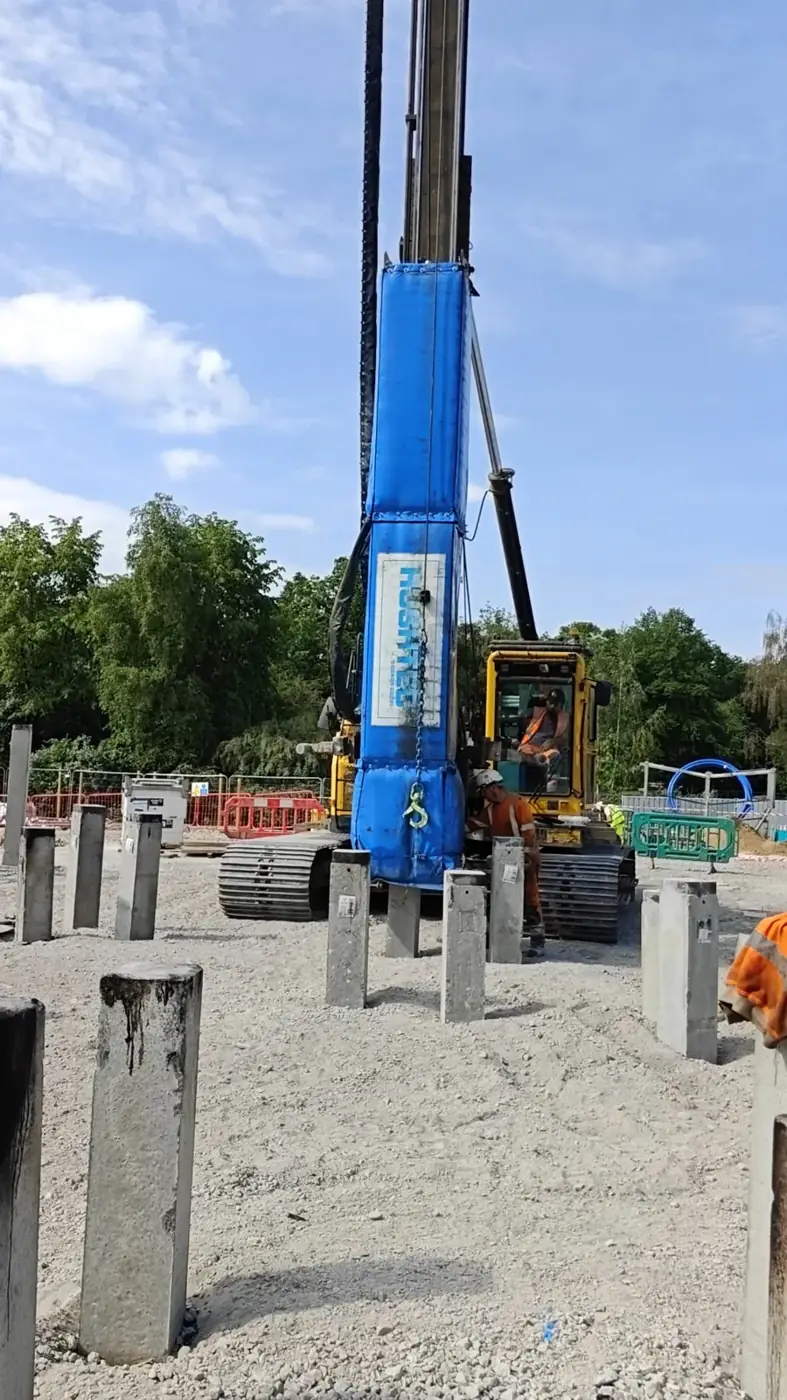
- Why wrapping a barrier round a pile rig does little
Typical weekday hours for noisy work (8am–1pm Saturdays). Your council sets the actual hours.
BS 5228 daytime thresholds at a home's facade, depending on the area's usual background.
A 10 dB drop sounds roughly half as loud. Use it to judge any mitigation claim.
Environmental Health is the body with powers to act on construction noise.
Rules vary by local authority. Check with your council for the limits on a specific site.
Latest news & guides
All articles →Demolition noise barrier: does a 4 m acoustic wall protect upper-floor flats?
A demolition noise barrier only works if it blocks the line of sight between the breaker or crusher and the window. For upper-floor flats, a 4 m acoustic wall on the site boundary…
Read →Top 5 temporary acoustic barrier suppliers in the UK: Echo Barrier, Siderise, BIGBEN, Hushtec and RVT Group compared
Five of the best-known names in UK temporary acoustic barriers are Echo Barrier, Siderise, BIGBEN Sound Blocker, Hushtec and RVT Group. Published ratings for their fence-mounted…
Read →Can a noisy machine on a building site be made quieter, and what can you ask for?
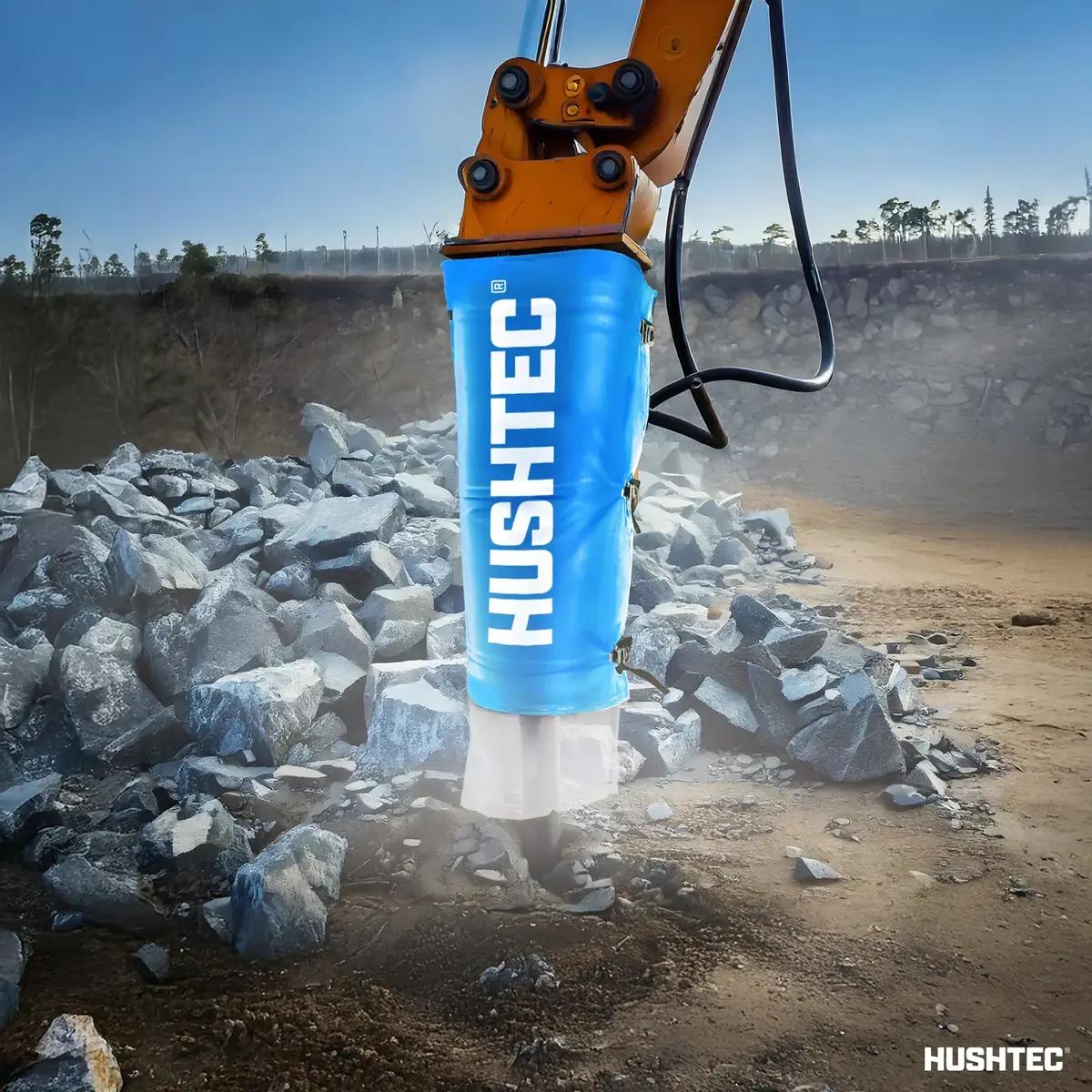
Often, yes. Contractors can fit shrouds or enclosures to the noisiest machines, put acoustic barriers around the work area and boundary, and plan noisy work for less sensitive hours.…
Read →How high does an acoustic wall need to be to screen generator and plant noise?
As a rule of thumb, an acoustic wall should stand about 1.5 m higher than the top of the noise source. A generator 2.5 m tall therefore needs a wall about 4 m high. This guide explains…
Read →What is the Rw dB rating on an acoustic barrier, and why does it matter?
Rw (weighted sound reduction index) is a single number in decibels that shows how well a material stops sound passing through it, measured in a laboratory to ISO 10140-2 and calculated…
Read →How can piling noise be reduced? Perimeter barriers vs piling shrouds compared
Airborne noise from driven piling can be cut in three main ways: a tall barrier around the site perimeter, a freestanding acoustic enclosure around the pile being driven, or a shroud…
Read →What good noise control looks like
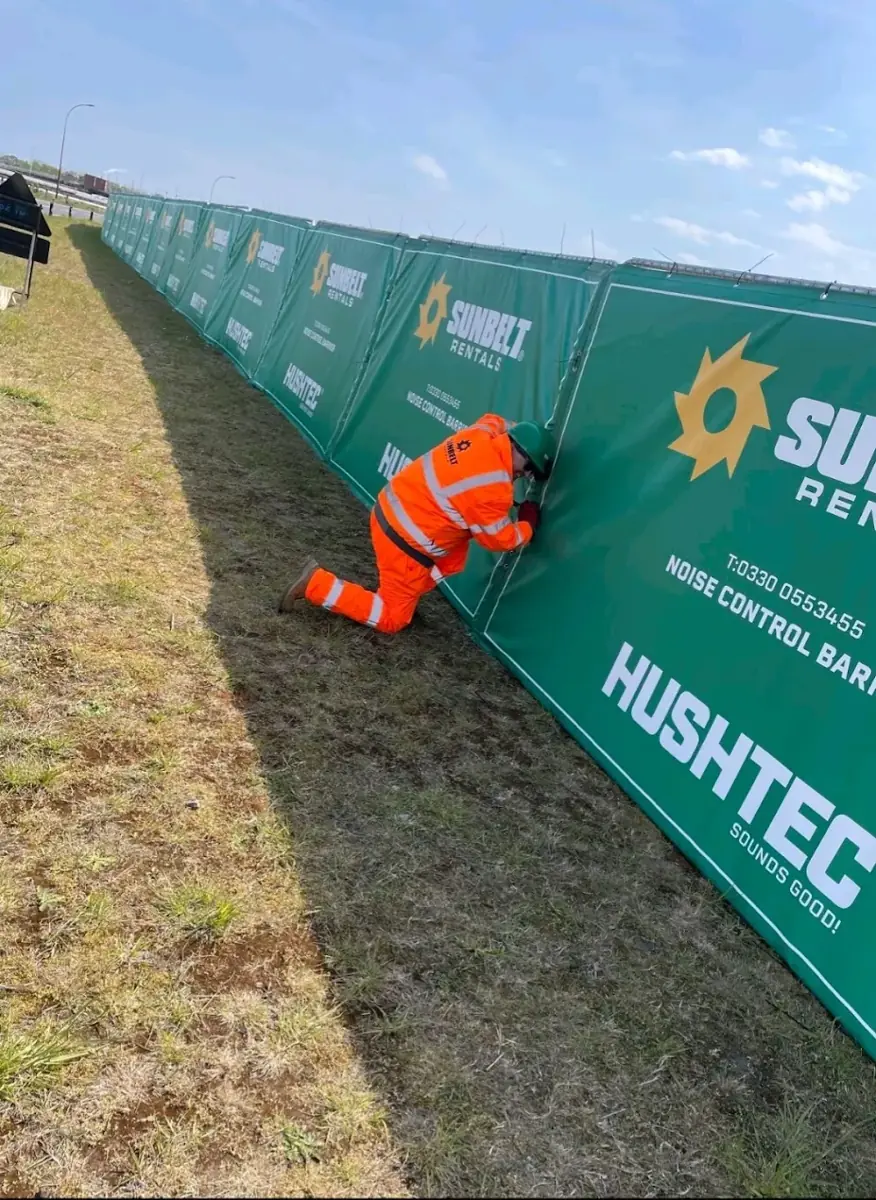
Mitigation works best close to the noise: continuous barriers with no gaps, shrouds on the loudest plant, and enclosures around fixed work. Knowing what good looks like helps residents ask the right questions, and helps contractors pick measures that actually work.
From the library
Browse the library →Understanding the Control of Pollution Act 1974
The Control of Pollution Act 1974 remains one of the key pieces of legislation governing construction noise in the UK. Learn what it means for you.
Your RightsWhat Is a Statutory Nuisance and How Does It Affect You?
Statutory nuisance is the legal threshold your council must reach before they can take action. Understand what it means and how to prove it.
Complaint ProcessWriting an Effective Complaint Letter to Your Council
Learn the key elements that make a noise complaint letter effective, and what councils look for when deciding how to respond.
EvidenceHow to Measure Construction Noise Effectively
A practical guide to measuring noise levels using your smartphone and what the readings mean in the context of UK guidance.
How loud is that machine?
Typical dB levels for breakers, piling rigs, generators and more, and what quietens them.
See the table →Noise calculator
Turn your phone reading and distance into an estimate of how loud the source is.
Open the calculator →Not sure who to contact?
Tell us about the site or roadworks and we'll point you to the people responsible.
Get help →